Wear happens where you cannot see it
Sediment collects at the bottom, heating elements corrode, anodes wear away, and rubber seals harden over time. The outside can still look normal while the inside is deteriorating.
Most geysers fail silently before homeowners realise anything is wrong. Lucky helps find hidden internal deterioration early, so you can avoid expensive leaks, emergency call-outs and full geyser replacement.
Most geysers do not give a big warning before failure. Problems build up inside the tank over time, especially in coastal areas and after dirty municipal water events. By the time a leak appears, internal wear may already be severe.
Sediment collects at the bottom, heating elements corrode, anodes wear away, and rubber seals harden over time. The outside can still look normal while the inside is deteriorating.
Homes near the coast often face faster corrosion. Pipe breaks and dirty municipal water can also increase sediment inside the tank, reducing efficiency and adding wear.
A proper inspection and preventative service can find hidden issues early, reduce emergency failures, and help avoid the cost of a burst geyser and full replacement.
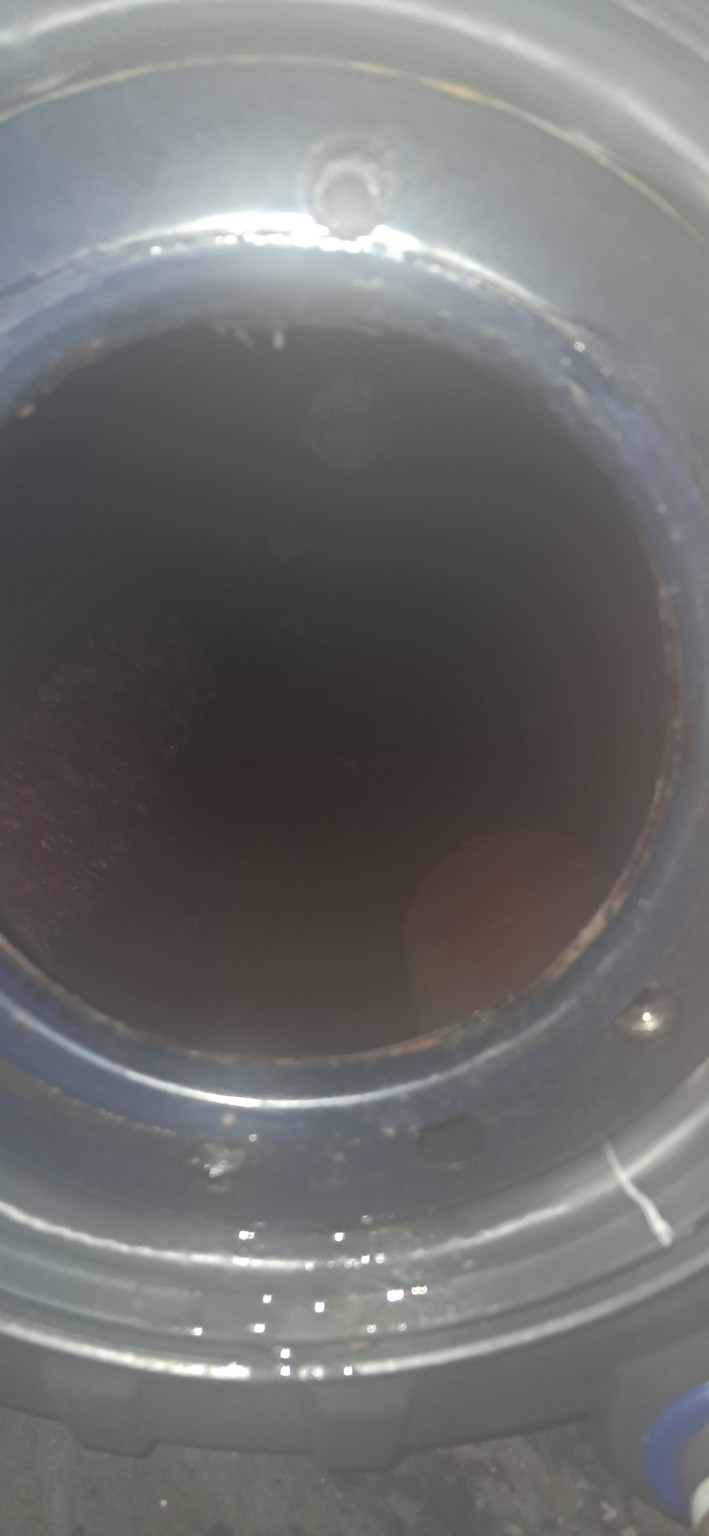
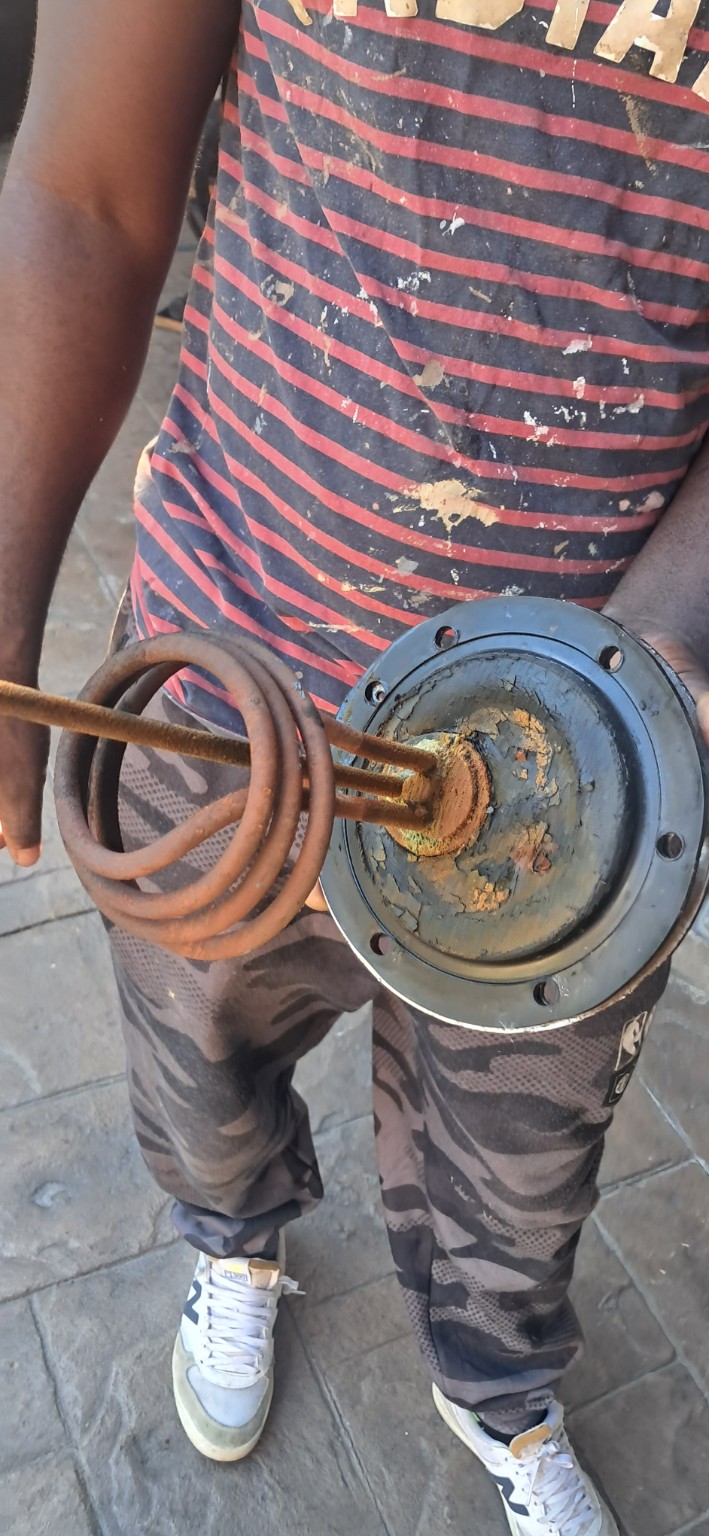
The geyser looked normal from the outside, but once opened it revealed serious internal wear that the homeowner could not have seen beforehand.
Heavy sediment build-up, dirty water inside the tank, a badly deteriorated heating element, and a flange gasket that was close to failure.
Lucky carried out a proper inspection, removed the failed internal components, cleaned out the contamination, and completed the preventative service work needed before the geyser turned into a much bigger problem.
Hidden wear was found early enough to help avoid a likely leak, heating failure, or a full geyser replacement bill. Replacement avoided estimate: R8,000 – R20,000+
“Excellent preventative find. The geyser had heavy sediment, a terrible element and a rubber seal on the verge of giving out. Great save.”
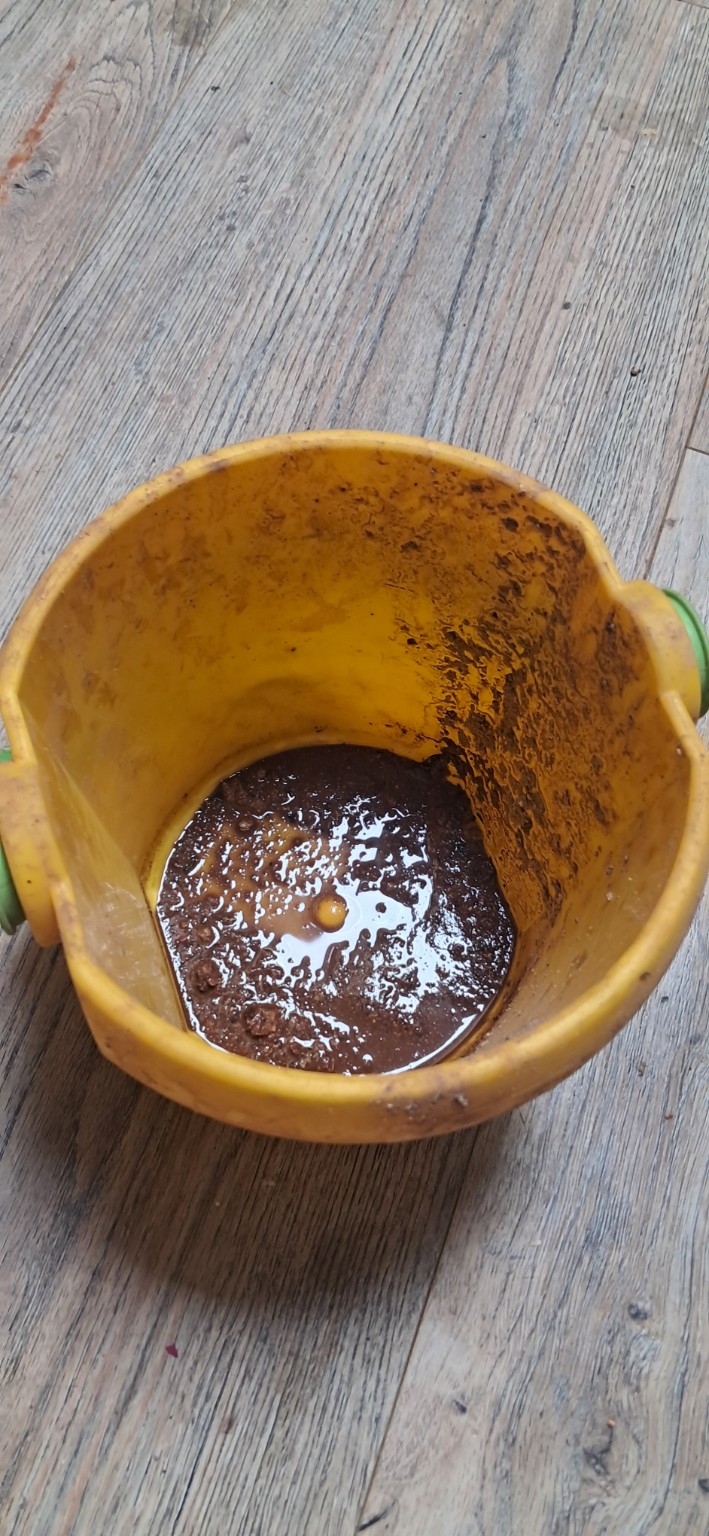
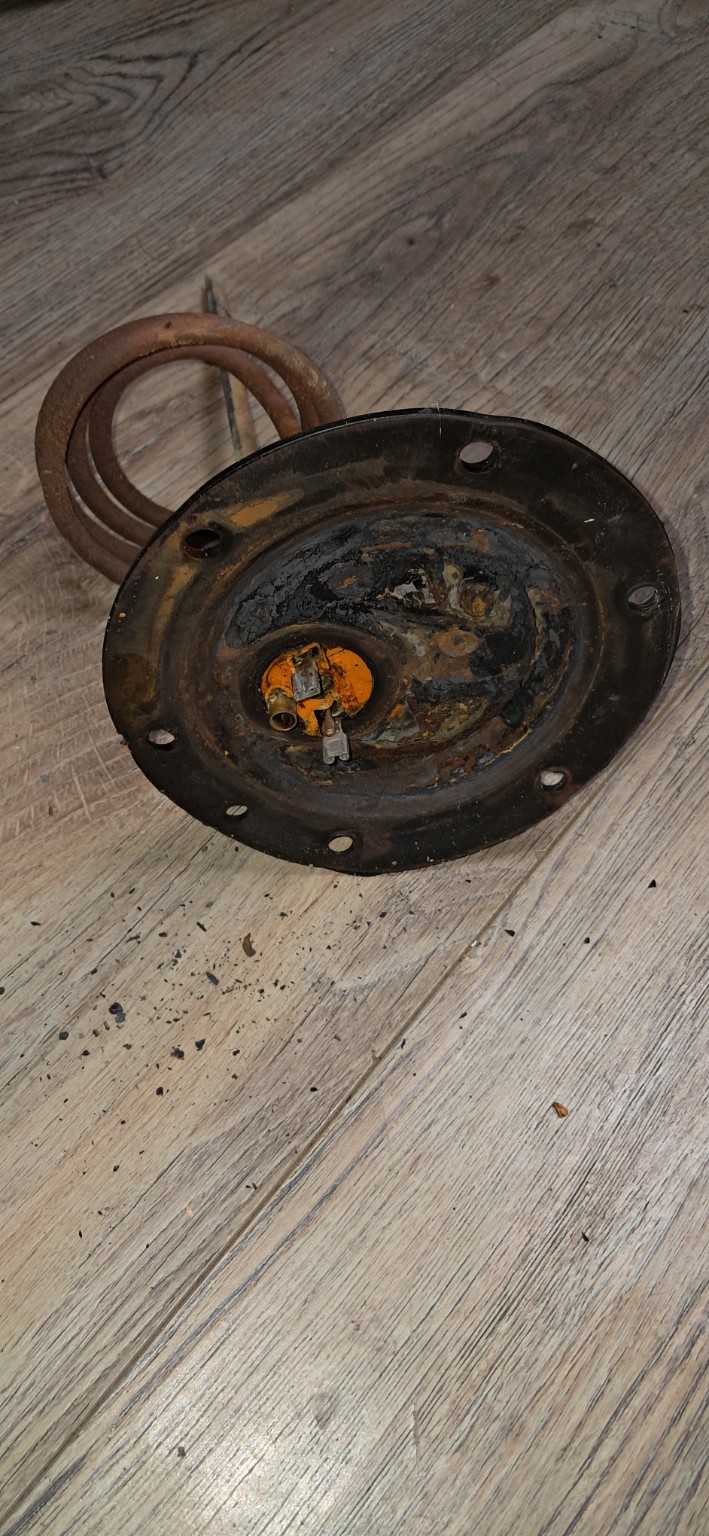
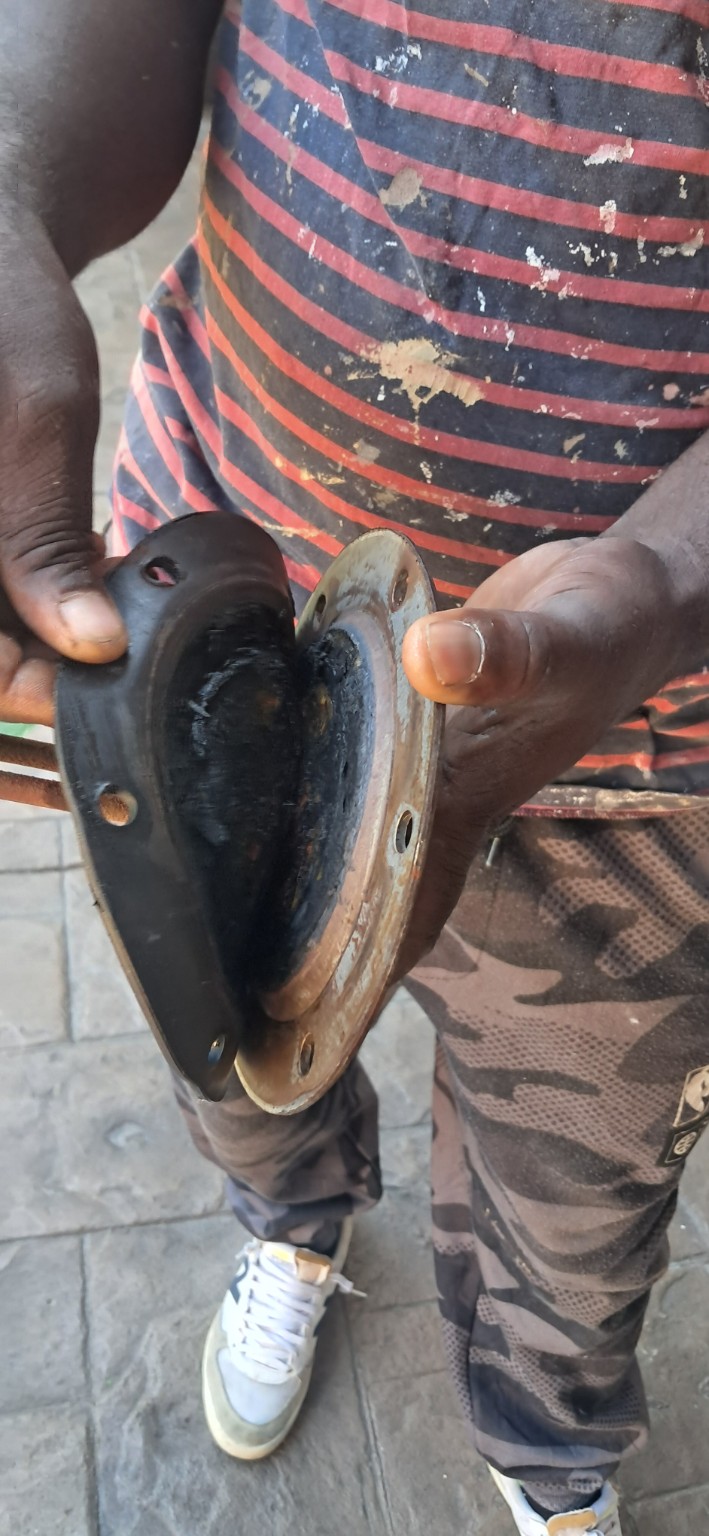
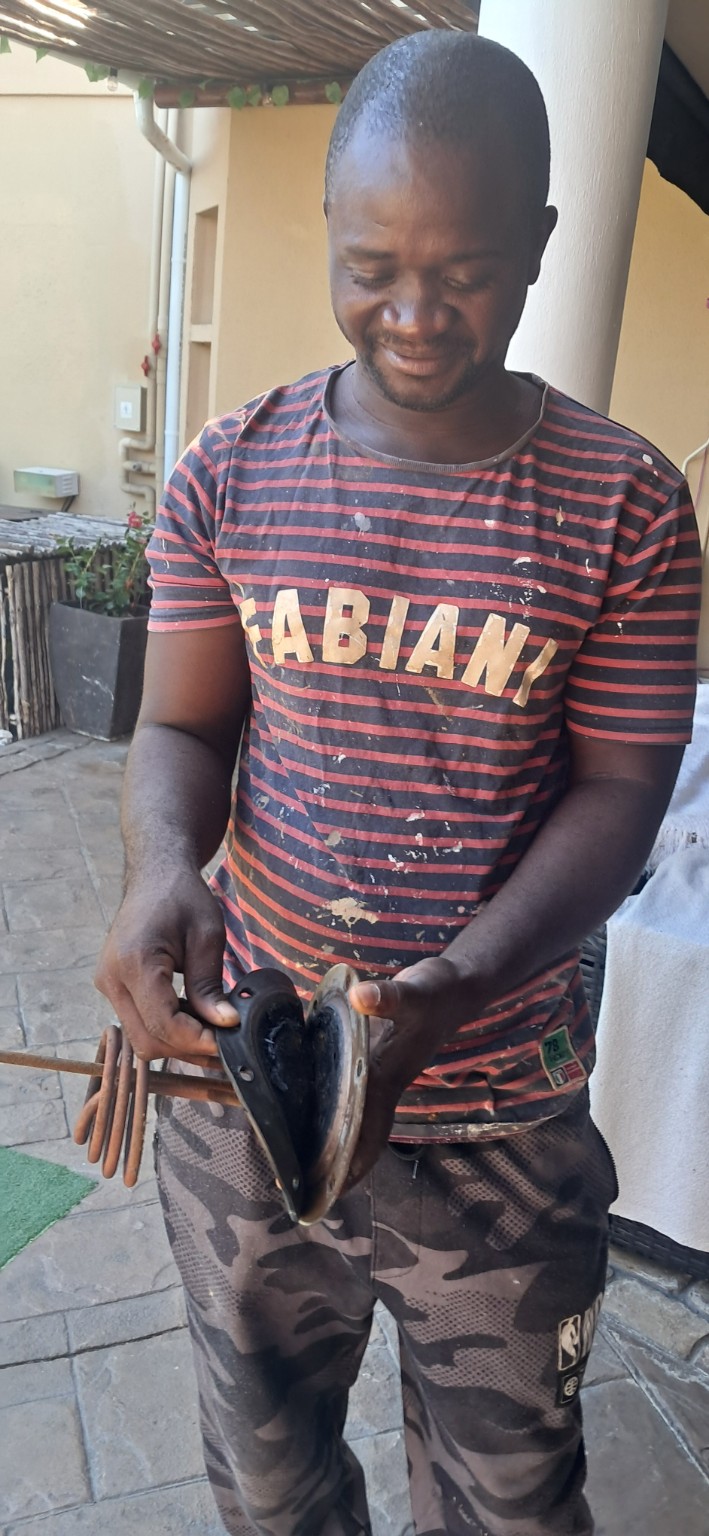
Homeowners usually never see this internal damage until it is too late. These examples make the preventative service offering tangible and credible.
Book a professional plumbing inspection for R500. If you decide to go ahead with the Preventative Service (R1300), the inspection fee is fully deducted from the service price. This means the service will only cost R800 after the inspection. Any parts are only replaced if needed and are always discussed with you first.
The inspection is diagnostic work. Lucky checks the geyser condition, explains what is going on, and shows what needs attention before parts are replaced.
Many homeowners never service a geyser until something goes wrong. A preventative inspection every few years, especially in coastal areas, is a sensible way to catch internal wear before it becomes a leak or burst.
Geysers usually fail because of hidden internal deterioration, not sudden bad luck. Sediment, corrosion, worn anodes, failing elements, weak seals and unresolved pressure-related issues can all contribute to serious failure over time.
A geyser inspection is diagnostic work. It can include checking visible condition, leak risks, component wear, thermostat function, internal part condition where appropriate, sediment risk, and key safety-related items.
A preventative service may include inspection, opening the geyser where needed, checking internal components, draining and flushing the tank, replacing worn parts only where justified, reassembly, and pressure testing.
Sediment can reduce heating efficiency, trap heat around components, increase wear, and hide the true internal condition. After dirty municipal water events or pipe breaks, sediment can become a much bigger issue.
Coastal conditions can accelerate corrosion. That matters for internal geyser components and is one reason why preventative servicing makes sense in Cape Town and nearby coastal areas.
Yes. These parts form part of the broader geyser and safety system and should not be ignored during a proper inspection. Hidden wear is not only about the tank and element.
Absolutely. That is the main problem. Many geysers look normal from the outside while sediment, corrosion, failing elements and deteriorating seals are already building up inside.
Lucky is a certified plumber based in the West Coast, serving homes across Cape Town. His focus is not generic handyman plumbing. It is professional preventative geyser servicing, honest inspection work, transparent pricing and practical repair decisions.
Based in the West Coast and serving Cape Town, including Parklands, Table View, Blouberg, Sunningdale, Milnerton, Atlantic Seaboard, Southern Suburbs and surrounding areas.
Better to inspect early than find out after a leak, burst or heating failure. WhatsApp directly to ask a question or book a geyser inspection.
Lucky works across Cape Town and the West Coast. Select your suburb for local information, pricing and to book a geyser inspection.